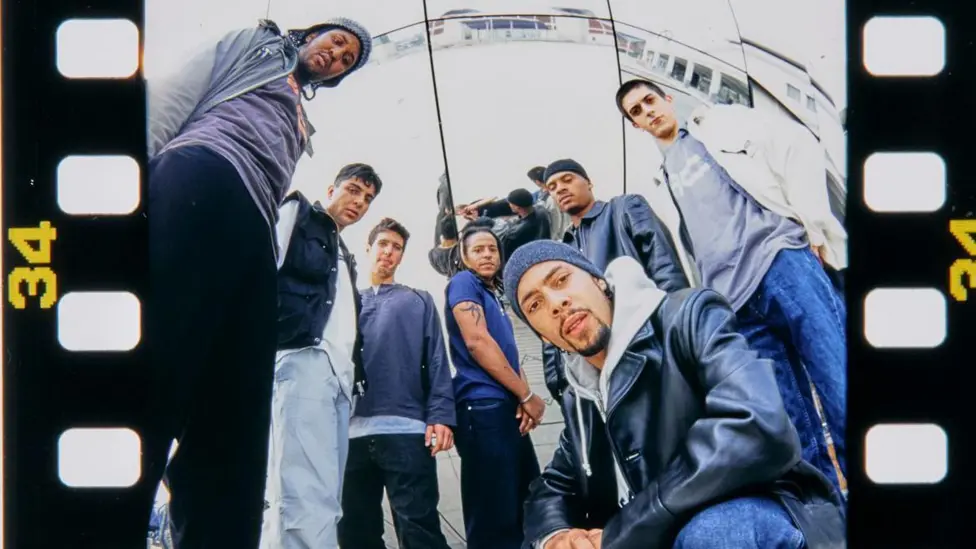

This Is Jungle: Bristol’s Drum & Bass Legacy Takes Centre Stage
For more than three decades, Bristol has occupied a unique place in the history of Jungle and Drum & Bass. While London is often credited as the birthplace of the movement, many of the sounds, ideas and innovations that helped shape the culture were being developed simultaneously in Bristol’s clubs, studios, pirate radio stations and record shops.
Now, that story is being told through a major new exhibition celebrating the city’s contribution to one of the UK’s most influential underground music movements.
This Is Jungle Takeover, currently on display at the Royal West of England Academy, offers a deep exploration of Bristol’s Jungle and Drum & Bass heritage. Bringing together rare photographs, classic artwork, flyers, memorabilia and previously unseen artefacts, the exhibition charts the development of the scene from the late 1980s through to the modern era.
More than a retrospective, the project serves as a reminder of just how important Bristol and the wider South West have been in shaping the sound and culture of jungle.
Celebrating More Than Just The Music
One of the exhibition’s strongest themes is the recognition of the people who helped build the culture beyond the DJ booth and recording studio.
Too often, discussions around Jungle history focus solely on a handful of headline artists. While the achievements of legendary producers deserve their place in the story, the exhibition shines a light on the wider network of contributors who helped the movement flourish.
Photographers who documented the early rave years, pirate radio operators who pushed the music across the airwaves, promoters who took risks on new sounds, graphic designers responsible for iconic flyer artwork, label owners, MCs and countless behind-the-scenes figures all played a role in creating the vibrant ecosystem that allowed jungle to thrive.
By broadening the focus, This Is Jungle Takeover paints a more complete picture of the culture and highlights the collective effort that transformed a local underground movement into a global phenomenon.
Bristol’s Unique Creative Environment
Long before social media and streaming platforms connected scenes around the world, Bristol developed its own musical identity through local networks and community-driven creativity.
The city’s multicultural influences, strong Soundsystem heritage and independent spirit helped create an environment where experimentation was encouraged. Artists were free to blend reggae, dub, hip-hop, breakbeats and electronic music into something entirely new.
That creative freedom became one of Bristol’s defining characteristics.
In the late 1980s and throughout the 1990s, the city became a hub for innovation. Producers were pushing the boundaries of breakbeat science while DJs and promoters cultivated a scene that felt distinct from what was happening elsewhere in the UK.
Without the instant connectivity we take for granted today, scenes often evolved in relative isolation. This allowed Bristol to develop its own flavour and identity, one that would eventually influence audiences far beyond the South West.
As artists travelled and performed across the country, the energy and ideas emerging from Bristol began to spread. What started as a local movement soon caught the attention of clubbers, DJs and labels nationwide before reaching audiences throughout Europe and beyond.
Preserving A Vital Chapter Of Underground Culture
At a time when dance music history can often feel fragmented or poorly documented, exhibitions like this play an important role in preserving cultural memory.
Many of the artefacts on display capture moments that might otherwise have been lost. Original rave flyers, album artwork, photographs and personal collections provide a tangible connection to an era that shaped modern electronic music.
For younger generations discovering Jungle and Drum & Bass today, these materials offer valuable insight into how the culture developed. They reveal the DIY ethos, community spirit and creative determination that drove the scene forward long before commercial recognition arrived.
The exhibition also demonstrates how important archiving has become within underground music. As physical media disappears and digital platforms continue to evolve, preserving the stories, images and objects that defined earlier generations becomes increasingly essential.
By gathering these materials together in one space, This Is Jungle Takeover ensures that Bristol’s contribution to Jungle history remains accessible for future generations of artists, fans and researchers.
A Team Deeply Connected To The Culture
The exhibition has been curated by some of the people most closely connected to Bristol’s Drum & Bass legacy.
Leading the project is Kirk Thompson, one of the most respected figures in the history of Drum & Bass. Through his pioneering work as a producer, DJ and member of the legendary Reprazent, Krust has helped shape the genre for decades.
Joining him are Flynn Ites and Gary Thompson, co-author of the acclaimed book The Art and Sound of the Bristol Underground. Together, the curatorial team has assembled a collection that reflects both the artistic achievements and the wider cultural impact of the scene.
Their approach goes beyond nostalgia. While the exhibition honours the pioneers who laid the foundations, it also encourages visitors to think about how the lessons and innovations of the past can inspire future generations.
That forward-looking perspective feels particularly relevant in a genre that has always thrived on reinvention.
The Story Continues
Alongside the exhibition itself, visitors can also experience a special series of listening sessions designed to explore the evolution of Jungle through music.
The This Is Jungle Listening Lab brings together key figures from the scene, including Krust, Flynnites, Dazee and Tony Meaker, for an in-depth exploration of classic records, influential tracks and rare dubplates.
These sessions provide a unique opportunity to hear first-hand accounts from artists who helped define the sound while examining how Jungle evolved from its formative years into the diverse global culture we know today.
For longtime fans, it’s a chance to revisit pivotal moments in the genre’s history. For newcomers, it’s an opportunity to understand the roots of a movement that continues to influence electronic music around the world.
Why This Exhibition Matters
Jungle has always been more than a style of music. It represents communities, creativity, resistance, innovation and cultural exchange. Its story is one of people coming together to create something entirely new from a wide range of influences.
Bristol played a central role in that story.
This Is Jungle Takeover reminds us that the genre’s success wasn’t built by a handful of household names alone. It was shaped by countless individuals whose passion, creativity and dedication helped establish one of Britain’s most important musical exports.
As Jungle and Drum & Bass continue to evolve in 2026, exhibitions like this ensure that the foundations of the culture are not forgotten. They celebrate the pioneers, preserve the history and inspire the next generation to push the music forward.
For anyone with an interest in jungle, drum & bass or UK underground culture, this exhibition offers a rare opportunity to step back into the roots of the movement and witness the story of Bristol’s contribution to the sound that changed everything.